Branch Lifecycle Analysis
Branch Lifecycle Analysis tracks the complete journey of code branches from creation to merge, revealing bottlenecks that slow development velocity and inflate cycle times. Most teams struggle with lengthy branch lifecycles without understanding which stages cause delays or how their metrics compare to industry benchmarks, making it difficult to optimize git workflow efficiency and reduce branch development time systematically.
What is Branch Lifecycle Analysis?
Branch Lifecycle Analysis is the systematic examination of how long git branches exist from creation to merge, providing crucial insights into development workflow efficiency and team productivity. This metric tracks the duration of feature branches, hotfix branches, and other development streams to identify bottlenecks, optimize development processes, and improve code delivery timelines. Understanding branch lifecycle patterns helps engineering teams make informed decisions about workflow optimization, resource allocation, and release planning.
When branch lifecycles are consistently long, it often indicates complex features, insufficient developer resources, or process inefficiencies that may lead to increased merge conflicts and delayed releases. Conversely, shorter branch lifecycles typically suggest streamlined development processes, effective task breakdown, and efficient collaboration practices. However, extremely short lifecycles might also indicate rushed development or inadequate testing practices.
Branch Lifecycle Analysis works closely with related metrics like Commit Frequency, Pull Request Bottleneck Analysis, and Code Review Cycle Time to provide a comprehensive view of development velocity. Teams can leverage git branch duration tracking and branch lifecycle analysis templates to establish baseline measurements and identify optimization opportunities. This analysis becomes particularly valuable when combined with Feature Development Cycle Time and Developer Contribution Patterns to understand the complete development workflow picture.
How to do Branch Lifecycle Analysis?
Branch Lifecycle Analysis involves tracking and analyzing the duration and patterns of git branches throughout their entire lifespan to identify workflow bottlenecks and optimization opportunities.
Approach: Step 1: Extract branch data including creation timestamps, merge/close dates, branch types, and associated commits Step 2: Calculate lifecycle metrics like duration, commit frequency, and merge patterns across different branch categories Step 3: Identify patterns, outliers, and correlations to pinpoint workflow inefficiencies and improvement opportunities
Worked Example
Consider analyzing a development team's branch data over three months. You collect data on 150 branches:
Input data:
- Feature branches: 85 branches, average duration 8.5 days
- Hotfix branches: 15 branches, average duration 2.1 days
- Release branches: 12 branches, average duration 14.2 days
Analysis reveals:
- 20% of feature branches exceed 15 days (potential bottlenecks)
- Hotfix branches under 1 day correlate with higher bug rates post-merge
- Feature branches with >10 commits take 3x longer to merge than smaller branches
Insights: The team should implement branch size limits and investigate why certain feature branches stagnate, while ensuring hotfix branches have adequate review time despite urgency.
Variants
Time-based analysis examines branch duration patterns across different periods (sprints, quarters) to identify seasonal trends or process improvements over time.
Developer-segmented analysis breaks down lifecycle metrics by individual contributors or teams, revealing productivity patterns and identifying developers who might need support or whose practices could be shared.
Branch-type analysis compares lifecycle patterns across feature, bugfix, hotfix, and release branches to optimize type-specific workflows and set appropriate duration expectations.
Common Mistakes
Ignoring branch complexity leads to misleading conclusions when comparing simple configuration changes with major feature implementations. Always normalize for branch scope or analyze branch types separately.
Focusing solely on duration misses important context like code quality, review thoroughness, or business impact. A longer branch might indicate proper due diligence rather than inefficiency.
Insufficient sample sizes for segmented analysis can produce unreliable insights. Ensure adequate data points (typically 30+ branches) before drawing conclusions about specific patterns or team members.
Ready to analyze your actual branch data?
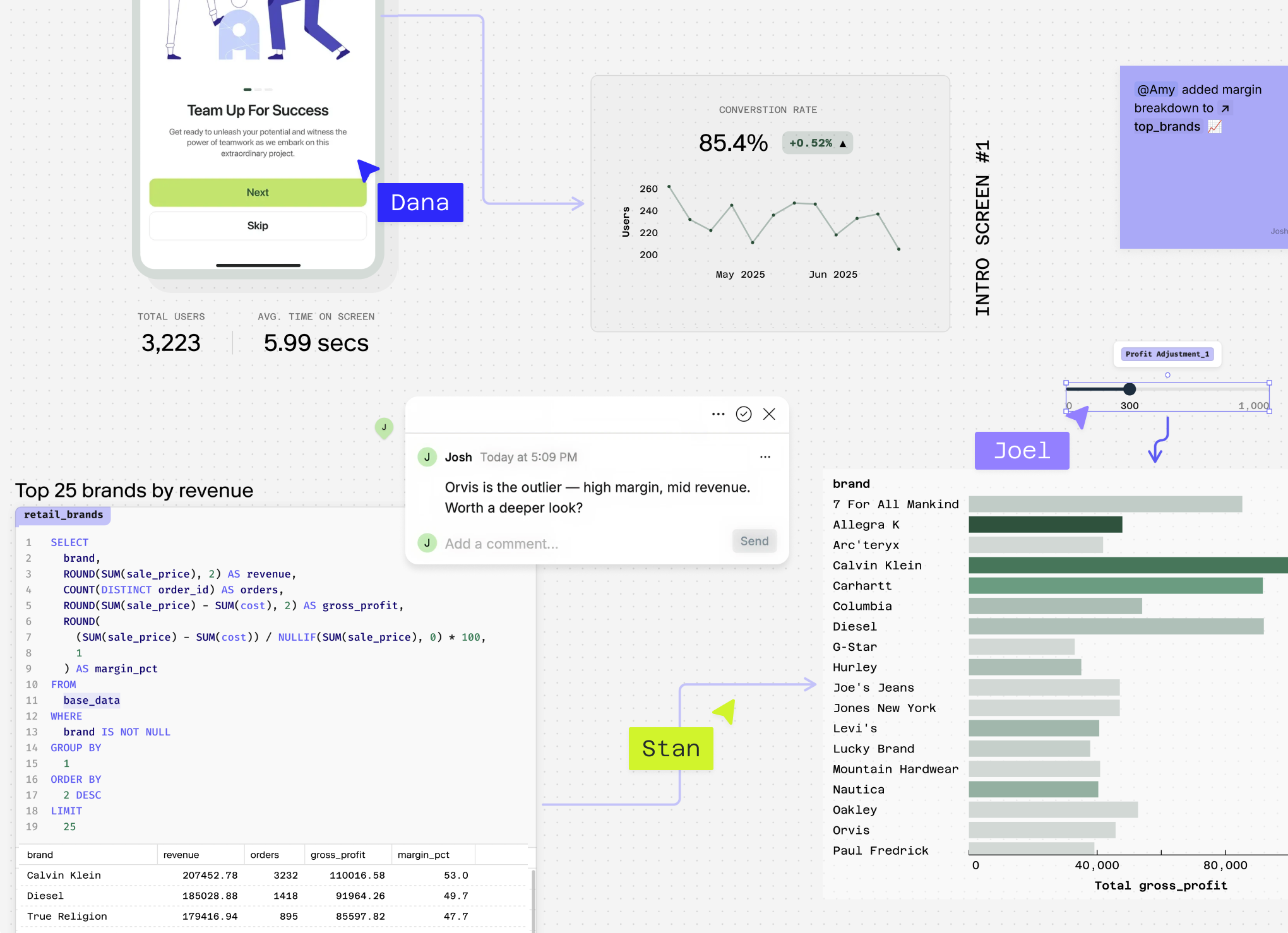
Connect your git data and warehouse in Count's AI-powered canvas. Go from bottleneck questions to optimization decisions in one collaborative session.
What makes a good Branch Lifecycle Analysis?
While it's natural to want benchmarks for average branch lifecycle time, context matters significantly. These benchmarks should guide your thinking about good branch development duration, not serve as rigid targets.
Branch Lifecycle Benchmarks
| Company Type | Stage | Business Model | Average Branch Lifecycle | Notes |
|---|---|---|---|---|
| SaaS | Early-stage | B2B Self-serve | 2-4 days | Rapid iteration, smaller features |
| SaaS | Growth | B2B Enterprise | 5-10 days | More complex features, thorough testing |
| SaaS | Mature | B2B Enterprise | 7-14 days | Extensive review processes, compliance |
| Ecommerce | Early-stage | B2C | 1-3 days | Fast A/B testing, quick fixes |
| Ecommerce | Growth | B2C | 3-7 days | Seasonal features, payment integrations |
| Fintech | Growth | B2B | 10-21 days | Regulatory requirements, security reviews |
| Fintech | Mature | B2B | 14-30 days | Compliance testing, multi-stage approvals |
| Media/Content | Growth | B2C Subscription | 3-8 days | Content features, user experience updates |
Source: Industry estimates based on development team surveys and workflow analysis
Understanding Context
These benchmarks help establish whether your typical git workflow cycle time is reasonable, but remember that metrics exist in tension with each other. As you optimize one aspect of your development process, others may shift. Consider branch lifecycle analysis alongside related workflow metrics rather than optimizing branch duration in isolation.
Related Metrics Interaction
For example, if you're reducing average branch lifecycle time from 10 days to 5 days, you might see an increase in post-merge bugs or a rise in code review cycle time as reviewers feel pressured to approve changes quickly. Conversely, longer branch lifecycles might indicate thorough development practices but could signal bottlenecks in your pull request process or overly complex features that should be broken down. Monitor commit frequency, feature development cycle time, and developer contribution patterns alongside branch lifecycle metrics to understand the full picture of your development workflow efficiency.
Why is my branch lifecycle time too long?
Oversized feature branches Your branches contain too much work, making them difficult to review and merge quickly. Look for branches with 20+ commits, massive file changes, or features that touch multiple system components. These mega-branches create review bottlenecks and increase merge conflicts. Break large features into smaller, focused branches that can be reviewed and merged within days, not weeks.
Code review bottlenecks Reviews are sitting idle for extended periods, artificially inflating branch lifecycle time. Check your Code Review Cycle Time metrics — if reviews take 3+ days on average, you've found your culprit. This often cascades into developers creating more branches while waiting, further complicating the workflow. Implement review assignment rules and SLA expectations to keep reviews moving.
Inadequate testing and CI pipeline delays Slow or unreliable continuous integration is forcing developers to keep branches open longer for fixes and retesting. Monitor your pipeline duration and failure rates — branches shouldn't wait hours for test results. Failed tests that require multiple fix cycles extend branch lifetimes significantly. Optimize your CI/CD pipeline and improve test reliability to reduce branch development time.
Poor branch management practices Teams aren't following consistent branching strategies, leading to confusion about when branches should be merged or abandoned. Look for patterns like branches created from outdated base commits, multiple feature branches per developer, or branches that go stale for weeks. This directly impacts your Pull Request Bottleneck Analysis and Feature Development Cycle Time.
Dependency coordination issues Branches are waiting on other teams or external dependencies, creating artificial delays. Check if your longest-lived branches correlate with cross-team features or third-party integrations, indicating coordination problems rather than development inefficiencies.
How to reduce branch lifecycle time
Break down oversized features into smaller branches Split large features into independent, deployable chunks that can be merged within 2-3 days. Use feature flags to hide incomplete functionality while allowing frequent integration. Validate impact by tracking the correlation between branch size (commits, files changed) and merge time using Commit Frequency analysis.
Implement strict work-in-progress limits Set team-wide limits on active branches per developer (typically 2-3) and enforce daily progress checkpoints. This prevents context switching and ensures focused development. Monitor adherence by analyzing Developer Contribution Patterns to identify developers juggling too many concurrent branches.
Optimize your code review process Establish review assignment rules, set response time SLAs (4-8 hours), and use automated checks to catch issues before human review. Long review cycles are often the biggest bottleneck in branch lifecycle time. Track improvements using Code Review Cycle Time metrics and identify which reviewers or types of changes cause delays.
Address pull request bottlenecks systematically Use cohort analysis to segment branches by team, feature type, or complexity to isolate specific bottleneck patterns. Some teams struggle with database migrations, others with UI changes. Run Pull Request Bottleneck Analysis to pinpoint where delays consistently occur, then implement targeted process improvements.
Establish branch hygiene standards Create clear criteria for when branches should be merged or abandoned, and regularly audit stale branches. Set automated reminders for branches older than your target lifecycle time. Use Feature Development Cycle Time trends to validate that your hygiene practices are reducing overall development overhead.
Explore Branch Lifecycle Analysis using your GitHub data | Count
Run your Branch Lifecycle Analysis instantly
Stop calculating Branch Lifecycle Analysis in spreadsheets and losing valuable insights in manual tracking. Connect your data source and ask Count to calculate, segment, and diagnose your Branch Lifecycle Analysis in seconds, automatically identifying workflow bottlenecks and optimization opportunities across your entire development process.
Explore related metrics
Commit Frequency
If branches are staying open too long, commit frequency reveals whether developers are making steady progress or letting work sit idle between commits.
Pull Request Bottleneck Analysis
When branch lifecycle time is excessive, PR bottleneck analysis pinpoints whether delays happen during code review, approval, or merge phases.
Feature Development Cycle Time
Branch lifecycle analysis focuses on git workflow efficiency, while feature development cycle time captures the broader end-to-end delivery timeline including planning and deployment.
Developer Contribution Patterns
Long-lived branches often correlate with uneven developer contribution patterns, helping identify if certain team members consistently create oversized or stale branches.
Code Review Cycle Time
Since code review delays are a major contributor to extended branch lifecycles, tracking review cycle time isolates this specific bottleneck for targeted improvement.
Ready to analyze your actual branch data?
Connect your git data and warehouse in Count's AI-powered canvas. Go from bottleneck questions to optimization decisions in one collaborative session.